
Sharing the Rainforest
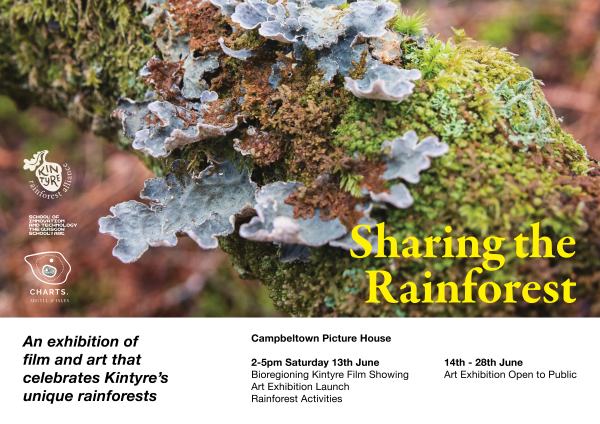
Poster - Sharing the Rainforest
Saturday 13th June 2026, it’s time, Ellen opens the doors to the cinema ready for the screening of “Sharing the Rainforest”.
I can’t remember exactly when we came together. Zoe Prosser and Michael Johnson from Glasgow School of Art working with CHARTs (Culture, Heritage and Arts Argyll &Isles), invited Kintyre Rainforest Alliance (KRA), Action West Loch, and Kintyre Coastal Network, to share our experiences as volunteer led community groups navigating the complexity of working with communities, councils, national environmental groups, national organisations, and private companies too.
The workshop was part of a wider Designing Landscape Stewardship research project by Glasgow School of Art (GSA), and the intention was to film our workshop, as well as the environments in which we work, and to share, learn, understand what insights our experiences highlight.
We met at Skipness Village Hall, the kitchen well stocked by Zoe and Michael to keep us fuelled for our discussions, debates and deliberations. It was a fun day, if tiring. During the course of it, Alasdair Satchell, film maker from Mull, took us off for “on camera” chats. Nerve wracking moments to say the least. You know what it’s like to have a video camera pointed at you and a microphone clipped to your lapel, words and coherent speech disappear into the ether! Alasdair was kind, generous, supportive and great fun, so despite our nerves we enjoyed the process. A few weeks later Jenn and I met him in a local woods, so that he could film the rainforests that we are passionate about. Russ Baum filmed the drone footage that so beautifully showcased our Kintyre woodlands.
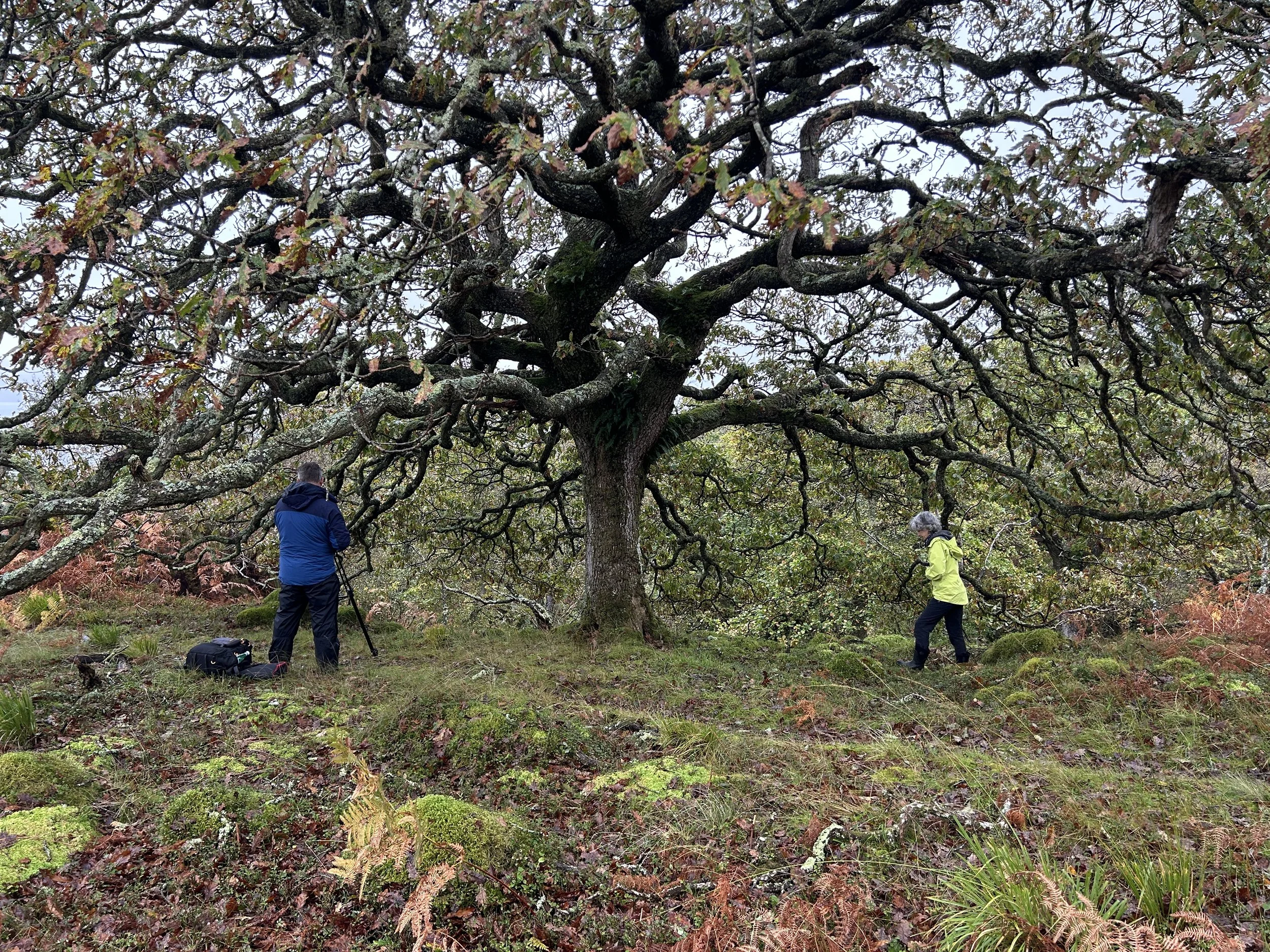
Alasdair and Jenn filming in the woods.
So here we are, back to 13th June. We have been planning this event with Zoe for a few months, and were delighted when Ellen agreed that we could show the film at the Campbeltown Picture House, it was the perfect venue, and allowed us to invite local artists working within the temperate rainforest zone to display their work too. Joy Hutchinson (KRA Board member) had been busy liaising with the artists, checking the logistics of displaying such a diverse selection of art, different shapes, sizes, mediums. Friday was all about getting set up. The artists arrived with their work, Zoe provided stands from GSA to help display the art works. Saturday and it’s the final touches during the morning, Steve and Sophie from KRA laden with bags set up a nature display, children’s quiz sheets and an array of woodland and nature related books.
Lunch to calm nerves, and we were as ready as we could be.
We had no idea how many people would come along. Saturday afternoon, a cheerful World Cup football parade outside, about 30 cinemas tickets had been pre booked. Ellen moved the screening to Screen 1 as numbers increased. People streamed in, some came through to see the exhibition, some straight into the cinema.
Zoe introduced the film, explained a little about the process and thinking behind it to set the scene and thanked contributors.
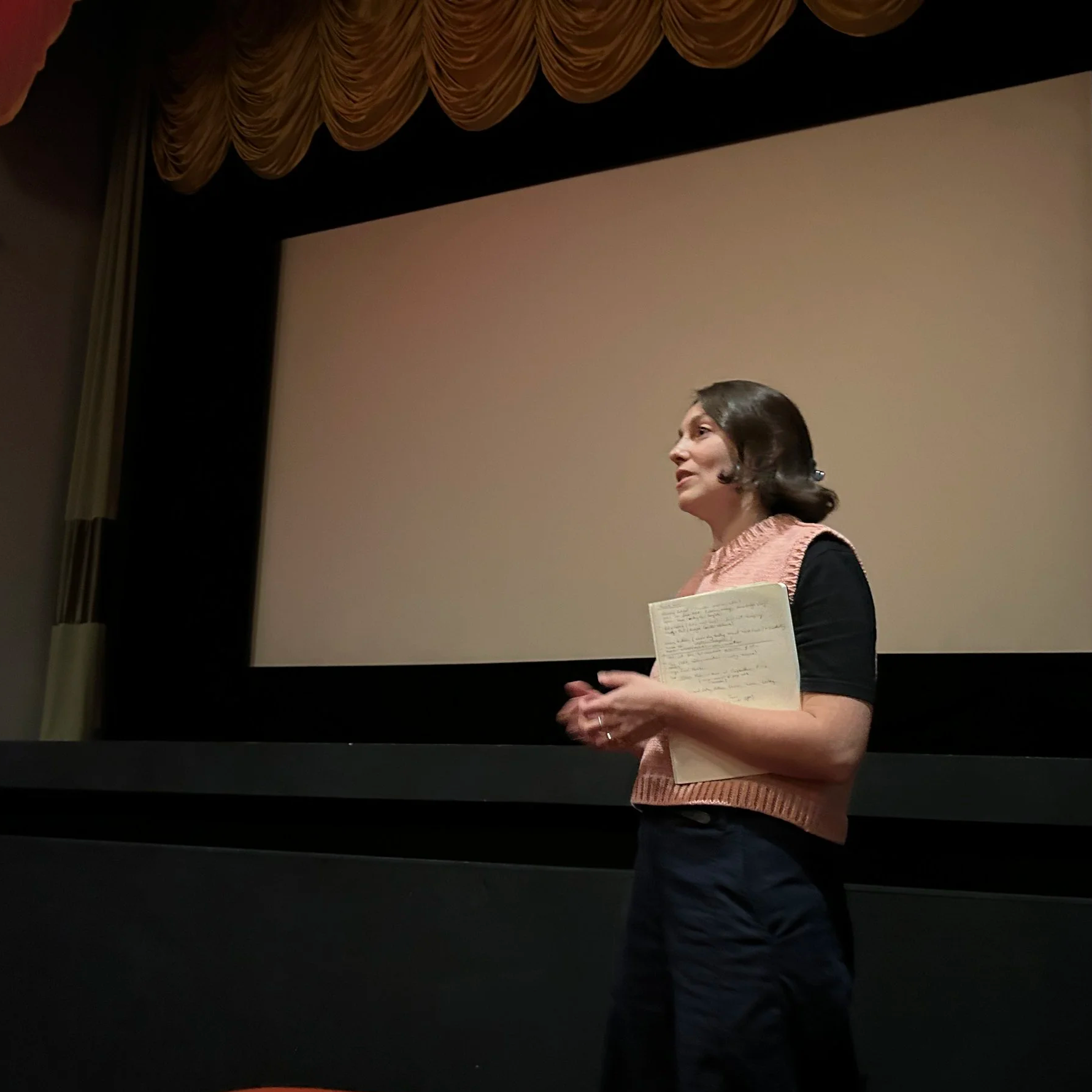
Zoe Prosser, Glasgow School of Art introducing Sharing the Rainforest
It is bizarre to see yourself on a big screen. A somewhat out of body experience, hands clenched with trepidation. Then memories of the days return, a day with friends, colleagues, people who care passionately about the environment. I realised that it wasn’t what I said, or how I looked or came across, for me it was and always is about the trees. Did I do them justice, do one or two people in the audience now feel as though they also want to help save our temperate rainforests. If they do, then the film, the nerves, the planning and preparation have all been worth it. We are the ones with voices that other humans can hear, so we need to try to speak up for the trees, to express just how much they matter, how we desperately need to let them get old, complete their life cycle naturally as much as possible. Work with them not against them. Most of all never take them for granted. They are biodiversity champions.
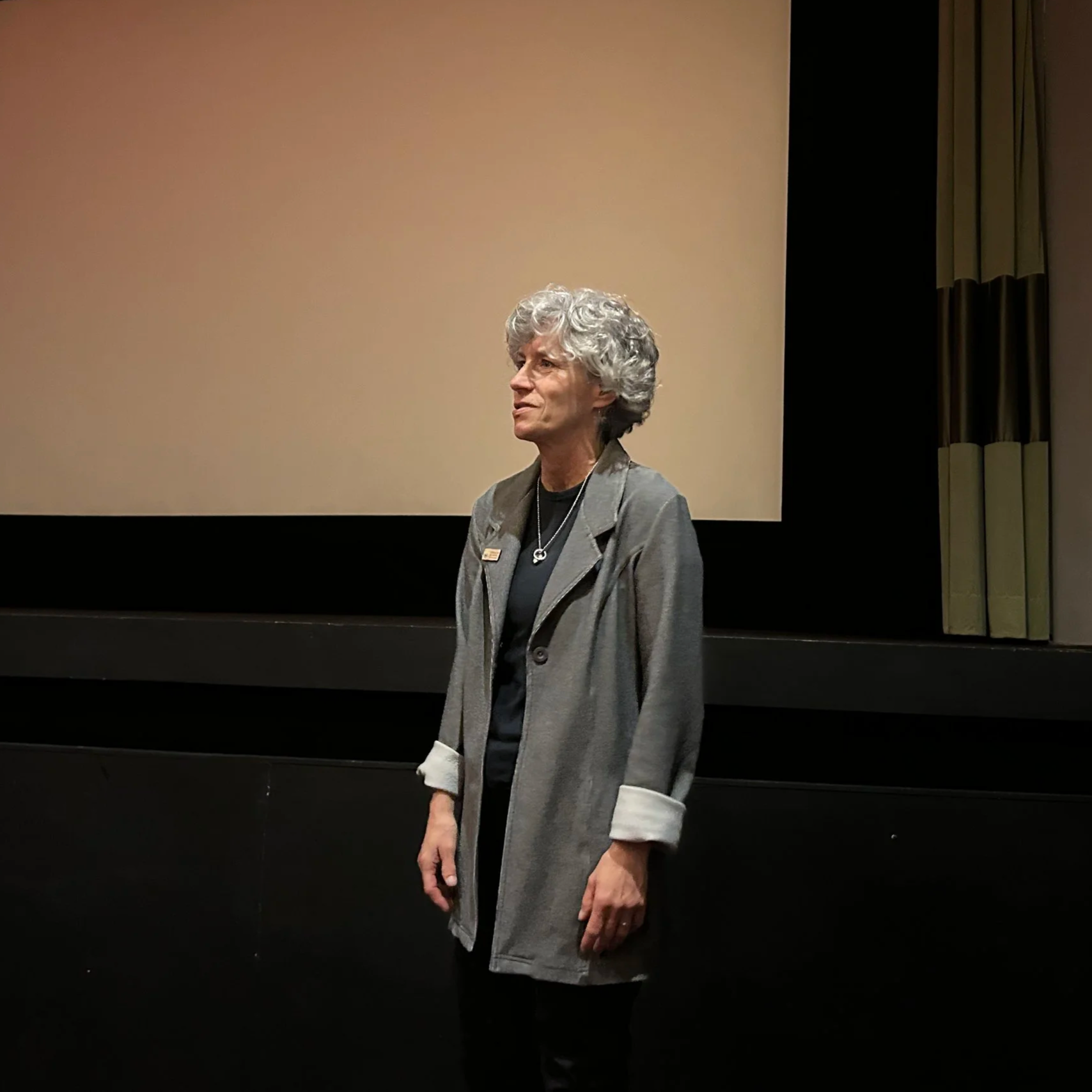
Dr Jennifer Lane Lee
Jenn Lee (KRA convenor) wrapped up the screening, answering questions from the audience, sharing her passion for protecting and celebrating the rainforests.
After the screening we went back to look at the art, that so beautifully encapsulates the inspiration that comes from being in the woods. Woods that nurture our creative spirits, hold us whilst we express ourselves, provide the very air that we breathe, calm our minds. There was a throng of people chatting, looking at the art, sharing their stories and love for the rainforests, asking more questions.
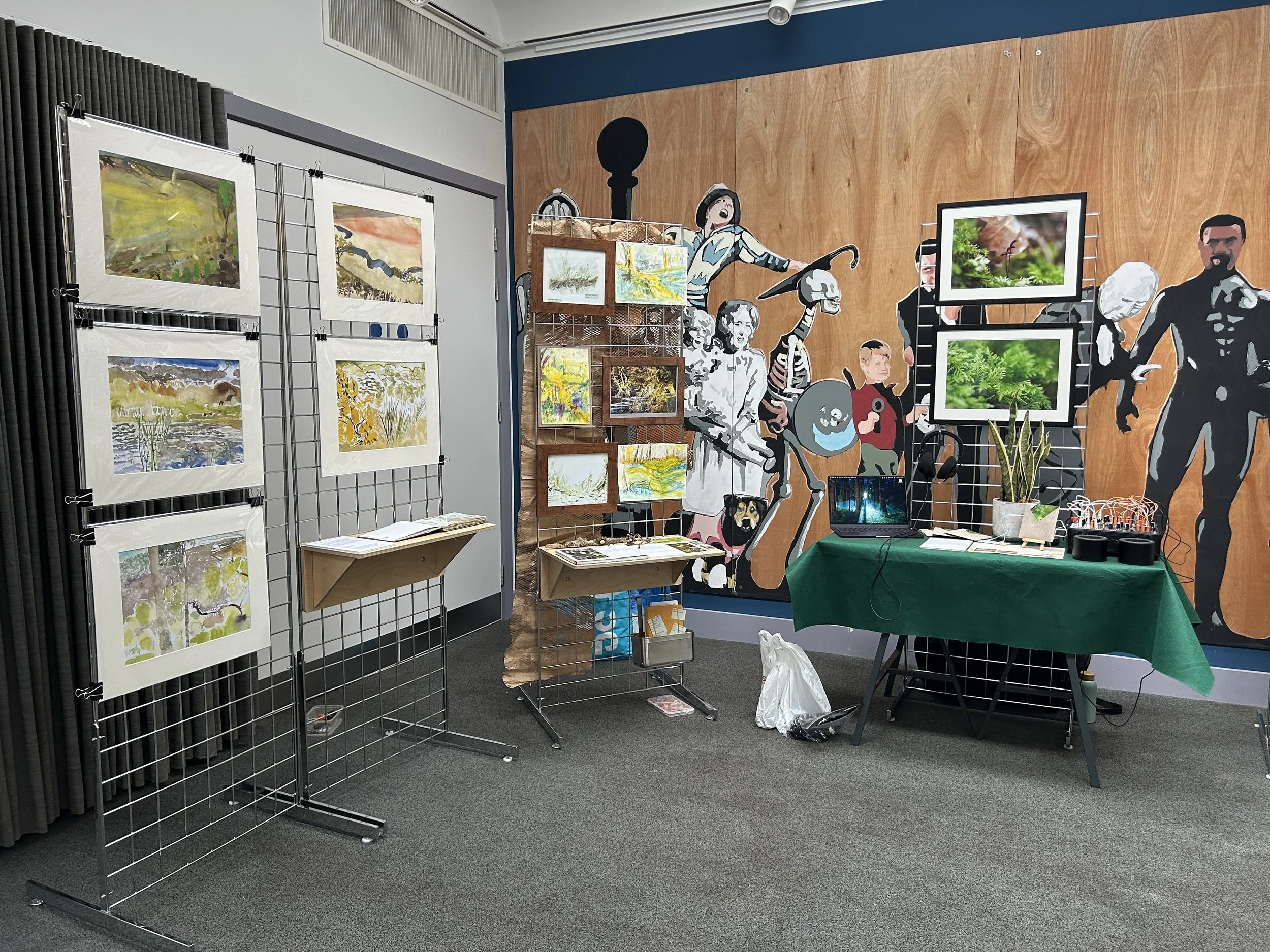
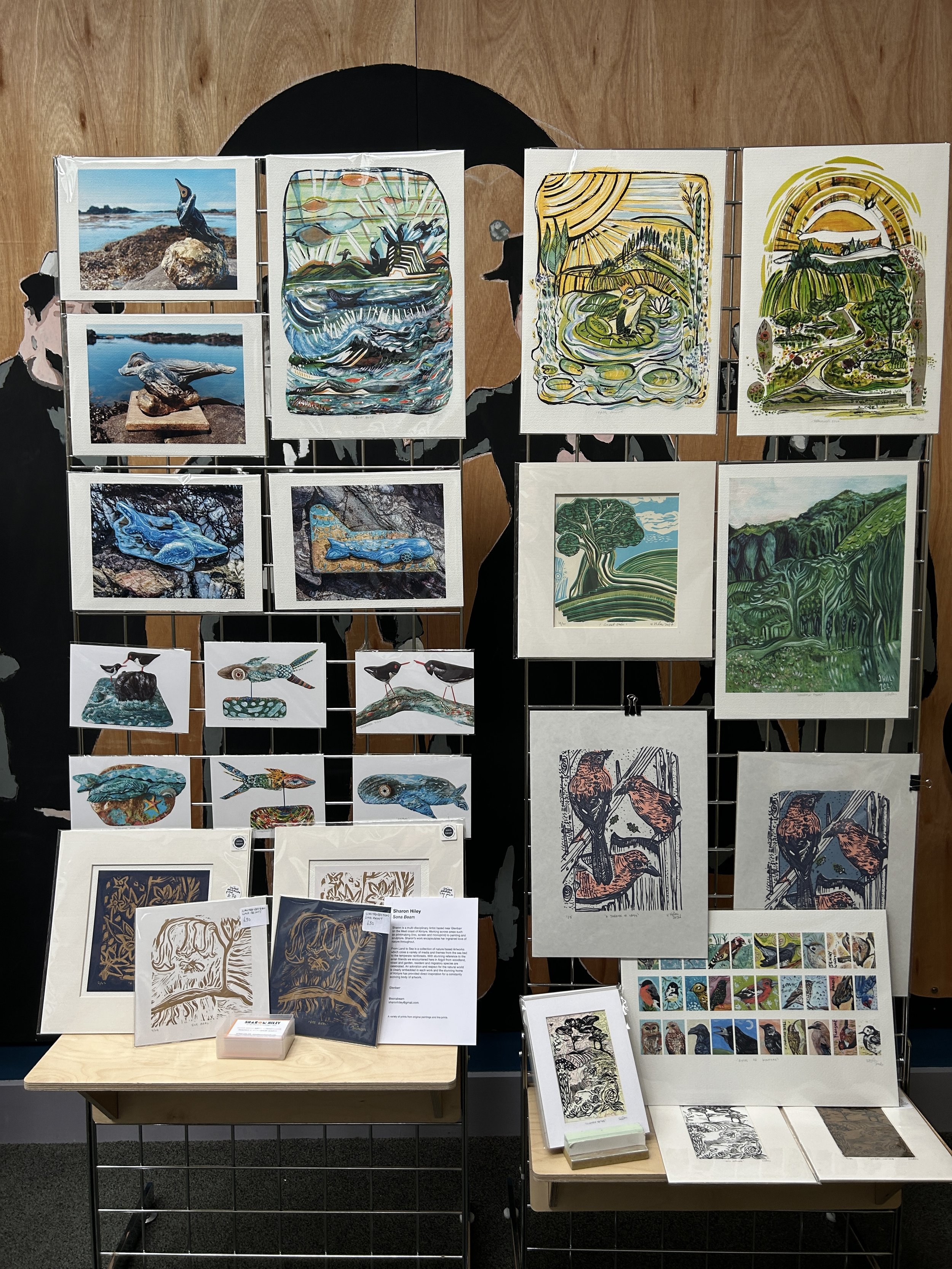
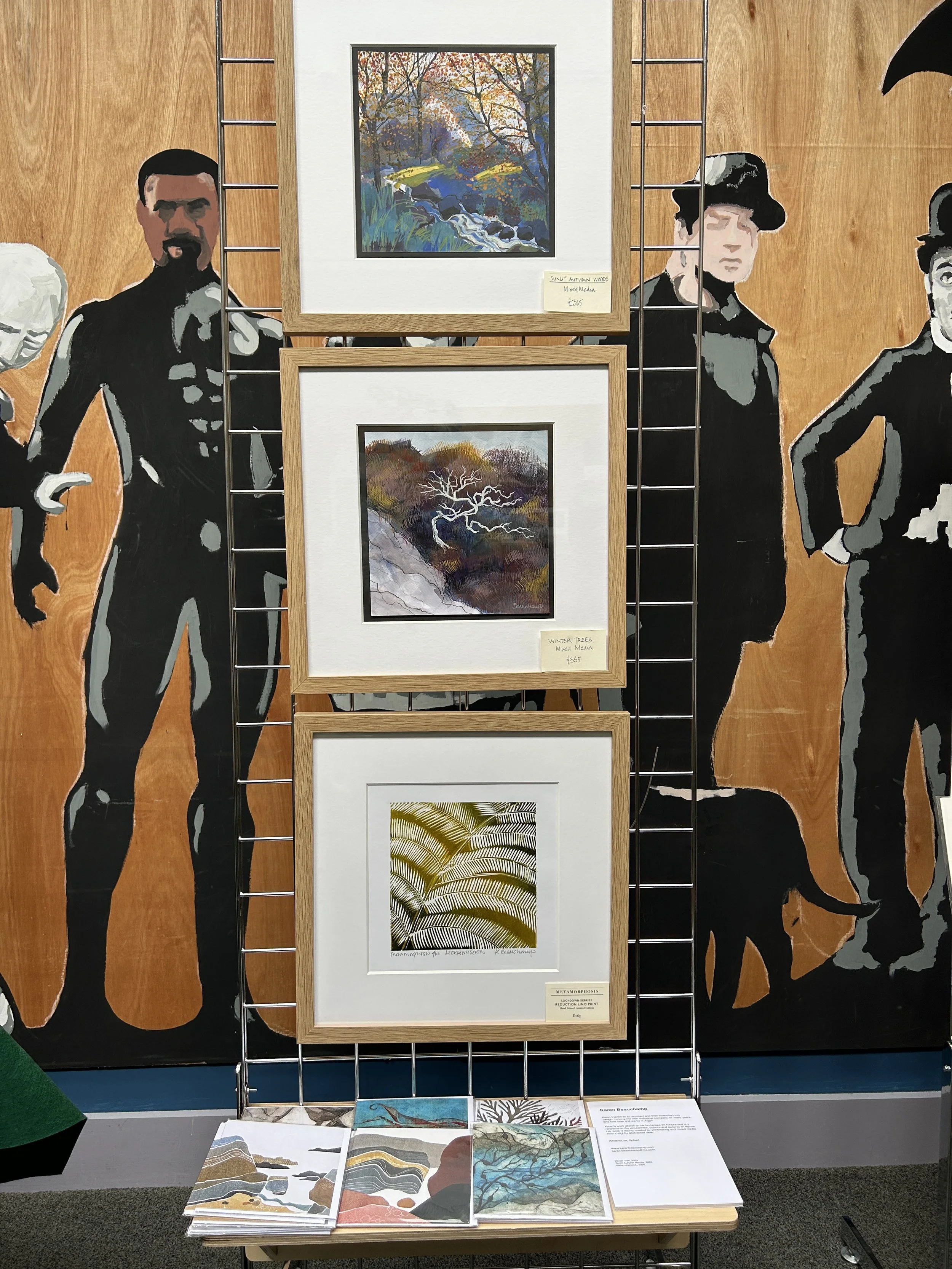
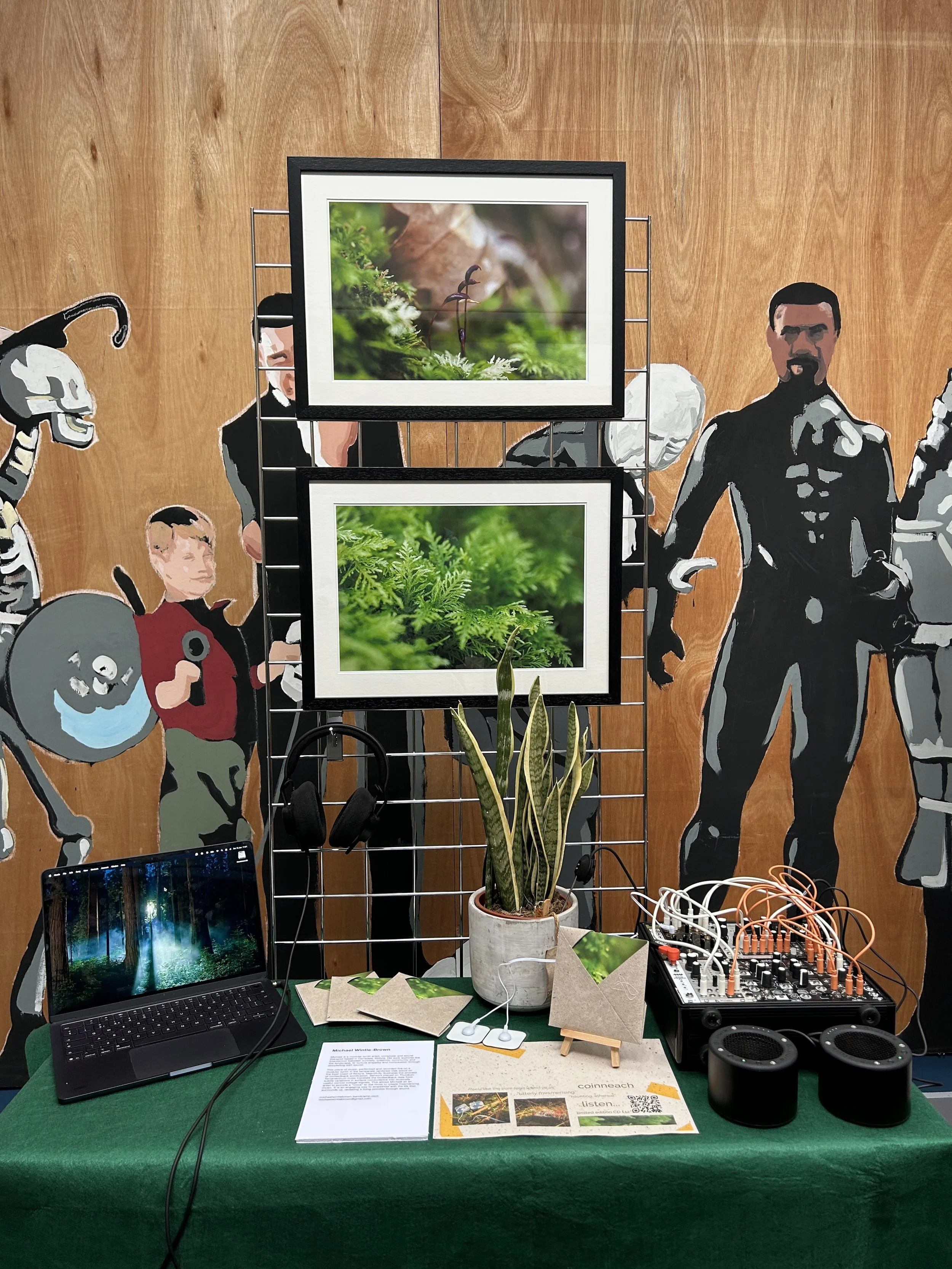
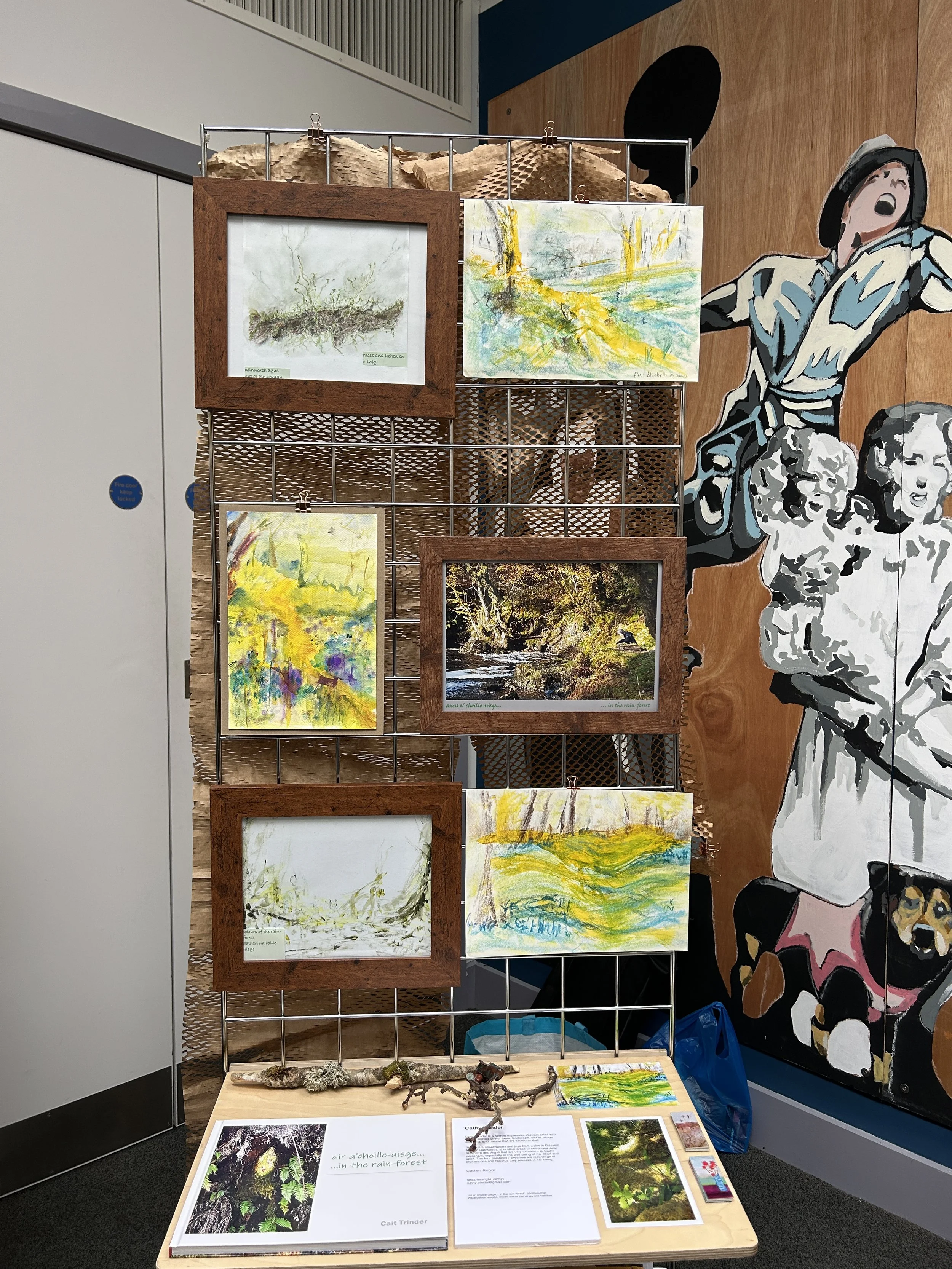
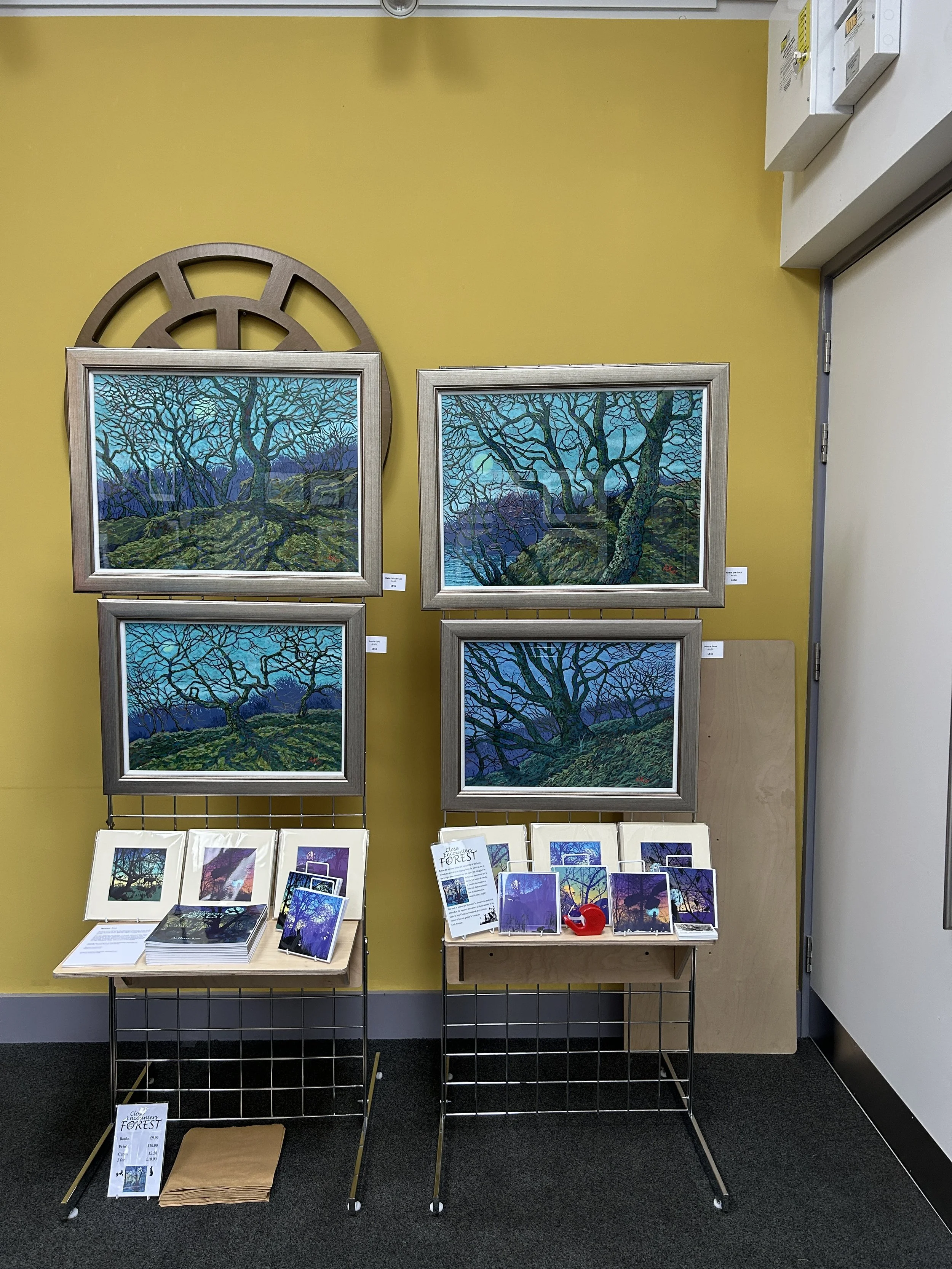
People were signing up for information, picking up brochures, offering to volunteer, to come on walks and talks in the woods, to engage. More voices to speak about the woods. Some had travelled considerable distances just for this event, it was humbling and we were so grateful.
Some factoids on Scotland’s Temperate Rainforests.
Account for approximately 2% of the woodland in Scotland.
Cover 30,000 hectares less than 0.4% of the country.
1/5 of the area that could support temperate rainforest now does.
Main rainforest trees in Kintyre - Oak, Ash, Hazel, Birch
Climate needs to be wet, and have little annual variation in temperature.
A healthy rainforest could contain over 200 different species of bryophytes and 100-200 species of lichen
The UK (and Scotland) have international responsibility to protect many of these species due to their global rarity.
Kintyre Rainforest Alliance would like to thank the following
Zoe Prosser and Michael Johnson - Glasgow School of Arts
Alasdair Satchel - Struthach Films
Kirsten Millar and Muriel MacKaveney - CHARTs
Ellen Mainwood and the Campbeltown Picture House team
Action West Loch
Kintyre Coastal Network
Russ Baum for the drone footage of Kintyre.
The Artists
Cathy Trinder
Sharon Hiley - Sona Beam
Lesley Burr
Arthur Kerr
Michael Wintle Brown
Karen Beauchamp
And above all else Thank You to all the wonderful people who came along to view the film and find out more about Kintyre’s temperate rainforests.