
Learning from Nature-Friendly Grazing
Kintyre Rainforest Alliance's Steve Mosley recently took part in a learning day organised by the Alliance for Scotland's Rainforest, exploring how conservation grazing can play an important role in restoring and strengthening Scotland's temperate rainforest.
One of the biggest takeaways was that grazing isn't simply something to remove from woodland restoration. Instead, when carefully planned and managed, it can be a valuable tool for improving woodland structure, reducing dominant vegetation and encouraging natural regeneration. Every site was different, highlighting that successful rainforest restoration depends on understanding local conditions and adapting management accordingly.
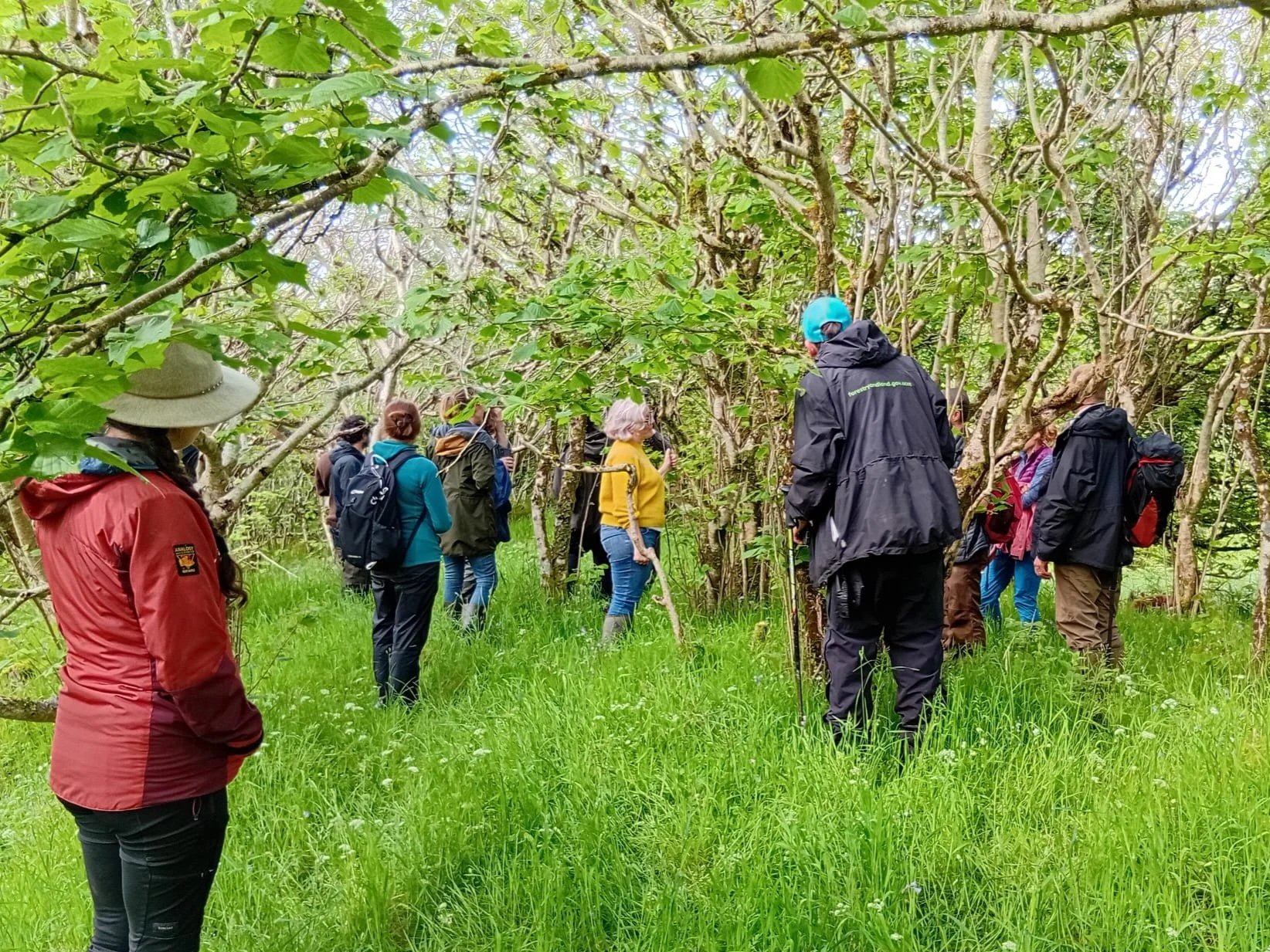
Hosted at Ardtornish Estate in Morvern, the day brought together land managers, ecologists and conservation organisations to share experiences and see a variety of grazing projects in action. Participants visited a range of sites where different grazing approaches were being trialled, each demonstrating how livestock can help restore natural processes while supporting woodland recovery.
The discussions focused on finding the right balance. While excessive grazing can prevent young trees from establishing, the complete absence of grazing can also reduce habitat diversity. Carefully managed grazing can create woodland glades, break up dense grasses and bracken through trampling, reduce wildfire risk and provide the varied conditions needed for a wider range of plants, fungi, lichens and wildlife to thrive.
From rare-breed cattle managed through low-intensity rotational grazing to Konik ponies allowed to express natural behaviours while browsing across woodland edges, each project illustrated that there is no single recipe for success. Instead, successful conservation grazing depends on careful observation, ongoing monitoring and adapting management to the needs of both the habitat and the animals. The learning day also highlighted the importance of considering cultural heritage alongside ecological restoration, recognising that livestock have long been part of these landscapes and can continue to play a positive role when managed appropriately.
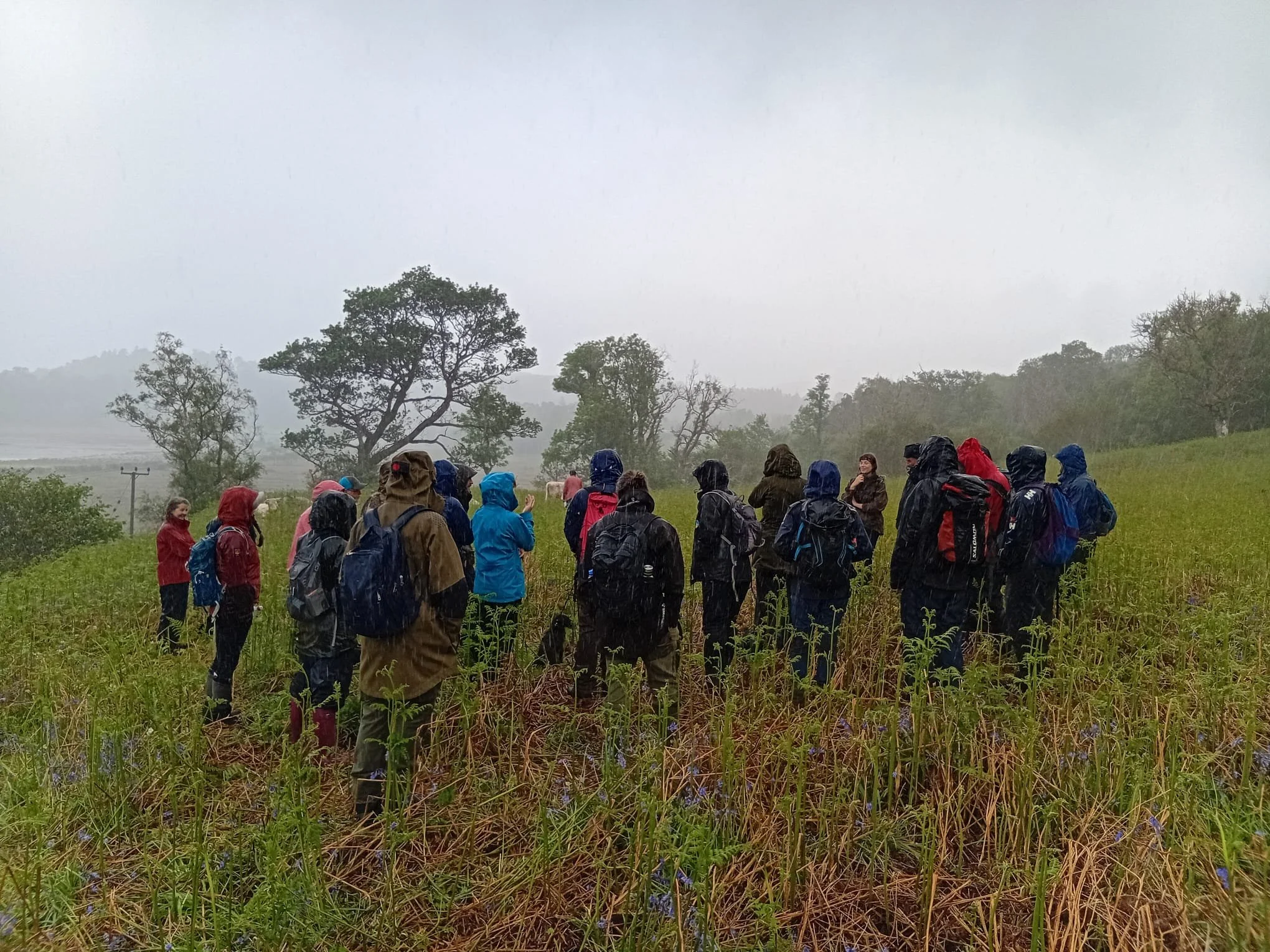
For Steve, the day offered a valuable opportunity to see these principles working on the ground and to exchange ideas with others involved in rainforest restoration across Scotland. Learning from projects that are already putting these techniques into practice helps strengthen our own work in Kintyre and reinforces the value of collaboration across the rainforest network.
As the Kintyre Rainforest Alliance continues to support the recovery of our rainforest, opportunities like these are an important reminder that sharing knowledge is just as valuable as sharing landscapes. We'd like to thank the Alliance for Scotland's Rainforest and the team at Ardtornish Estate for hosting such an informative and inspiring day, and we look forward to exploring how some of these ideas could help shape future rainforest restoration work in Kintyre.